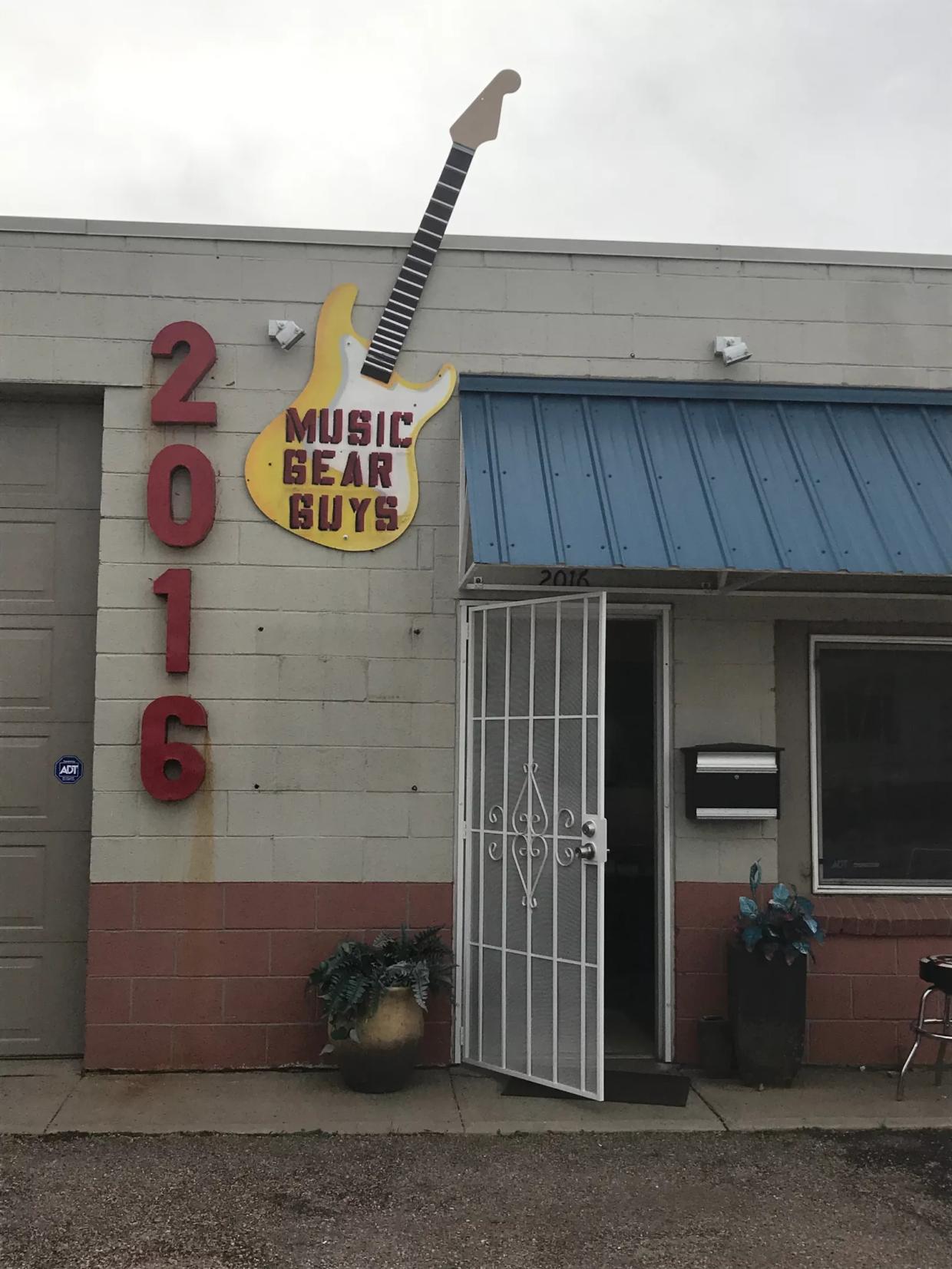
Priced Out of Denver, Music Gear Guys Reopens in Englewood
After being priced out of Denver, Music Gear Guys reopens in Englewood
After being priced out of Denver, Music Gear Guys reopens in Englewood
The music venue and restaurant Cold Crush is slated to be out of its current location at 2700 Larimer Street in RiNo by the end of October, after the building’s landlord didn’t agree to extend the lease. Now Cold Crush owner Brian Mathenge is trying to evict Southside Bar and Kitchen from the building it rents at 3014 East Colfax Avenue, which Mathenge bought in April 2016, in hopes of moving Cold Crush there.
Singer-songwriter Jonny Barber spent a decade impersonating Elvis Presley under the moniker Velvet Elvis. But at some point, Barber says he wanted people to say, “I like your songs. I like what you do.” As Barber tells it, that’s what Presley told him toward the end of his stint as Velvet Elvis.
After drummer Dave Lombardo ended his side project Philm in late 2015, he wanted to start a hardcore band that was harder and heavier than other bands he’d been in before.
Not long after Hurricane Harvey hit Houston, a group announced on Facebook that it would attempt to raise $1 million over the next nine months for musicians who have lost music gear, houses or cars during the hurricane.
The seven members of the Albuquerque-based band Baracutanga write politically charged songs, injected with hope and South American, Afro-Cuban and Middle Eastern rhythms.
Trumpeter Joe Smith, who fronts the vintage jazz band Joe Smith and the Spicy Pickles, originally wanted the act’s third album to comprise all Count Basie songs. But last November veteran jazz vocalist Jessy Carolina, who was moving from New York to Los Angeles, contacted Smith and asked if they could work together.
When JR’s Bar & Grill closed in 2011 and the Wrangler moved to bigger digs at 3030 Downing Street last year, Uptown lost two popular gay spots.
The forward-thinking Manchester, England-based trio GoGo Penguin is a squarely acoustic act with a piano, an upright bass and a drum kit, but the group’s songs are interpretations of electronic music projects the act first builds on a computer using software like Logic or Ableton.
While studying guitar making at the Roberto-Venn School of Luthiery in Phoenix in the late ‘80s, Matt Flaherty remembers people saying, “Building an electric guitar is like an eighth-grade shop project.” Flaherty, who started Texas Toast Guitars out of his Arvada-based shop in 2011, has been thinking about that quote since first hearing it.
Singer Laetitia Sadier, who co-founded the art-pop band Stereolab in 1990, likes the freaks: Young Marble Giants, Joy Division, the Residents and “those freaky freaks from overseas.” But when she was a teenager growing up in France and first discovered the surrealist French singer Brigitte Fontaine, Sadier thought, “Here’s my mother.”
When Temple Nightclub opens in the fall, in the former City Hall space at 1144 Broadway, as part of the Zen Compound entertainment complex, it will be like the love child of Burning Man and Las Vegas says CEO and founder Paul Hemming.
There was a woman sitting on her four-wheeled walker near the soundboard for most of Herbie Hancock’s two-hour set Monday night at the Denver Botanic Gardens.
Troy Andrews, also known as Trombone Shorty, was born into a musical family and has lived a musical life. He started playing trombone at four years old, knows his way around funk and jazz, and has been working as a professional musician since he was a teenager. While he has been immersed in music for most of the 31 years he’s been alive, he spent the day before he and his band left for Japan to play the Fuji Rock Festival driving around New Orleans, his home town, with his car stereo off.
Johnny Iguana, founder of the Chicago-based soul-punk-blues band the Claudettes, plays the piano so hard that he breaks keys. His piano gets repaired all the time because of how hard he abuses it. He says it’s not a showmanship thing; he just gets overexcited.
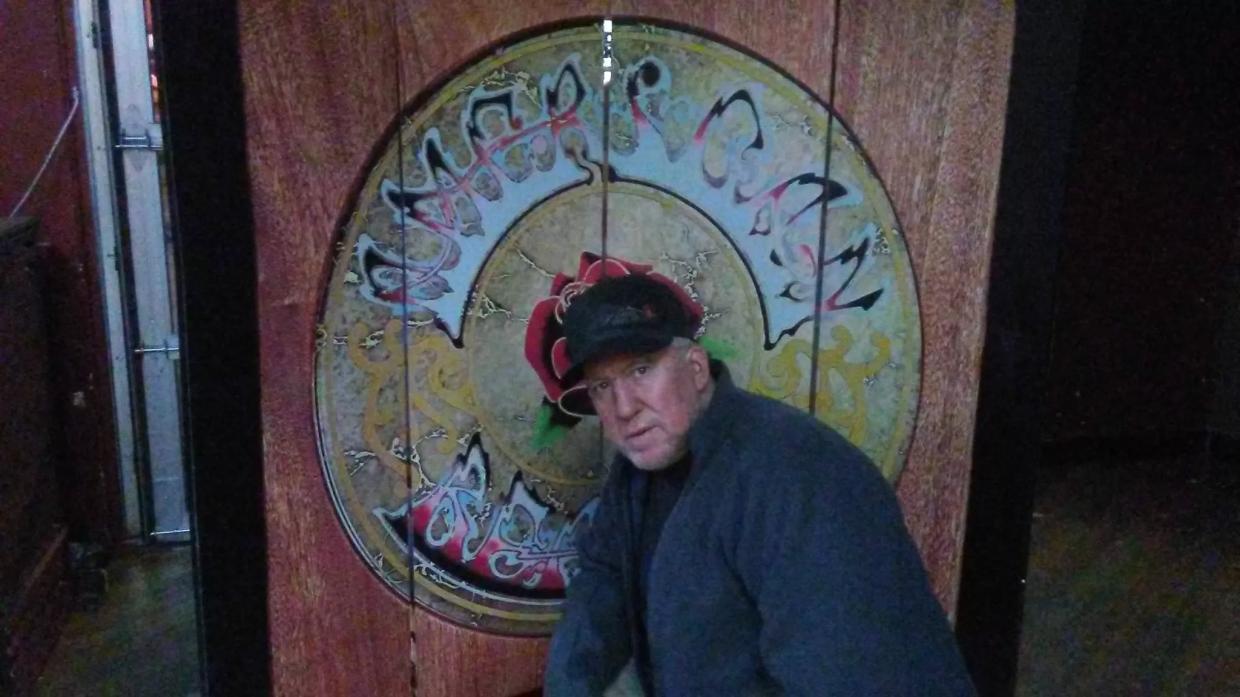
Phil Bianchi, who died on July 14 at the age of 51, helped make Sancho’s Broken Arrow, the bar he opened with his two brothers in 2000, a Cheers for Deadheads. He would give customers nicknames and make sure they knew they were welcome there.
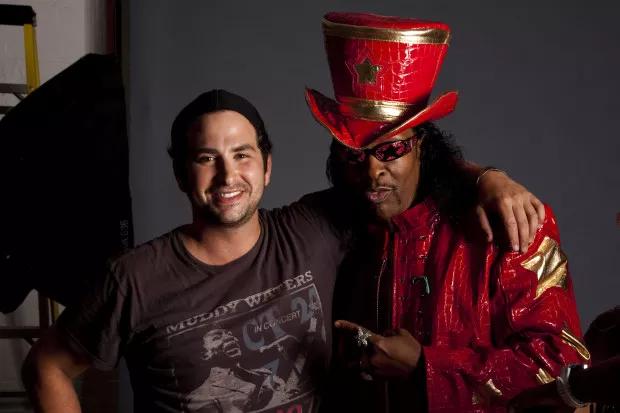
Seventeen years ago, Michael Weintrob was a student at Colorado State University and the house photographer at the Aggie Theatre in Fort Collins. While he was taking portraits of the Derek Trucks Band backstage, he asked the bass player to do something crazy: put his bass down his shirt.
Steve Earle didn’t just admire the outlaw country movement that was dominated by guys like Waylon Jennings and Willie Nelson. Earle was part of it.
After Guns N’ Roses plays it three-plus hour concert on Wednesday night, the 6,400 chairs installed for the show on the floor of Sports Authority Field at Mile High will have to be moved and moved fast.
Bobby Rush says he’s cut 374 records, but he didn’t record any of them in his home state of Louisiana until his most recent album, Porcupine Meat, which he won a Grammy for this year for Best Traditional Blues Album.
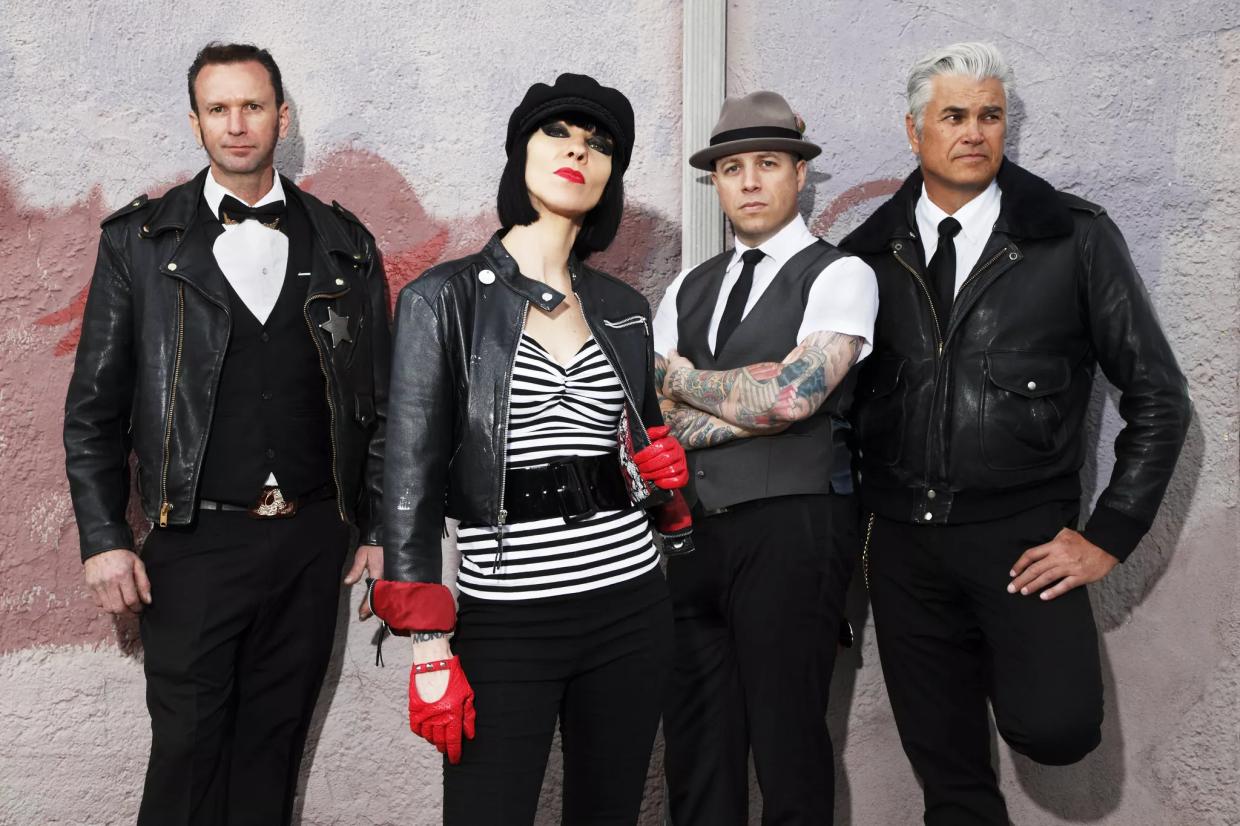
Three years ago Singer Kerry Pastine and guitarist Paul Shellooe wanted to start a group that sounded like a Quentin Tarantino soundtrack. The two musicians, who had long been in the blues act the Informants, aimed for a heavy, vintage sound.
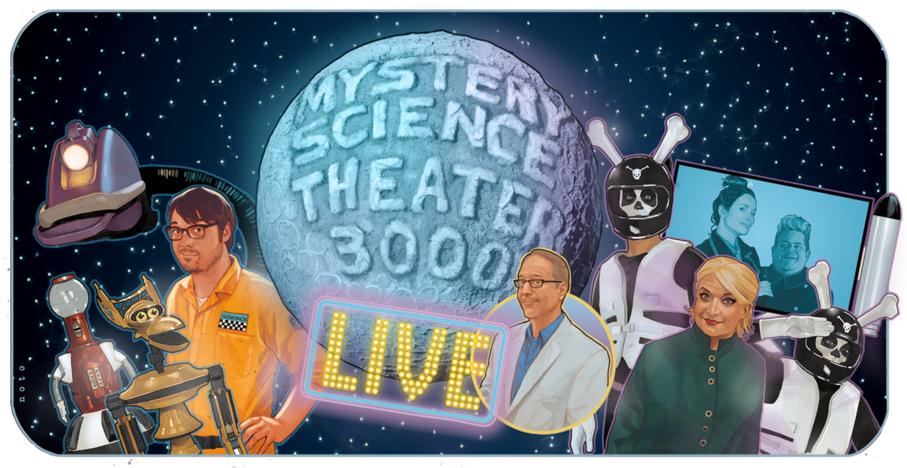
Earlier this year, Mystery Science Theater 3000, the popular movie-riffing television series that started nearly three decades ago, was revived on Netflix, thanks in part to $6 million that was raised on Kickstarter in 2015.