
Photo by Michael Roberts

Audio By Carbonatix
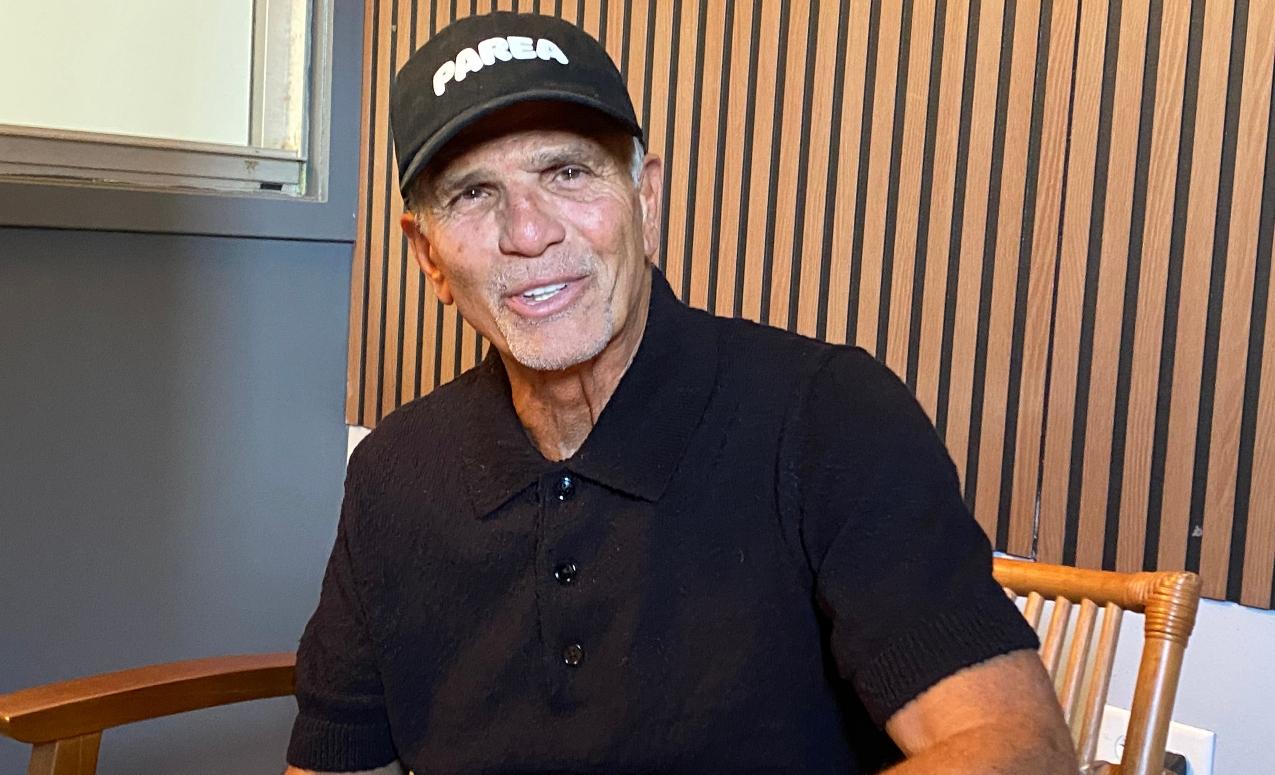
Regas Christou is frustrated.
Christou has owned and operated more successful Denver nightclubs and entertainment spaces than anyone for the past four decades: His creations include The Church and Club Vinyl, which he recently sold, plus Bar Standard, 1134 Broadway, Milk and a yet-to-debut venture called Parea.
But when the city’s Department of Licensing and Consumer Protection (formerly the Department of Excise & Licenses) decided to revise the way licenses are granted to commercial entities ranging from music venues to pool halls, no one at the agency sought his input or even gave him a heads-up. He found out about the process around the same time Westword published an overview of the draft proposal on April 17, prior to the first of two virtual listening sessions. By then, the plan, which is scheduled to go before Denver City Council in June, had been in the works for around a year.
“Nobody knew about this,” he says. “This didn’t come to my attention until my lawyer called me last week. I had to call other [business] people to tell them about it. A lot of my friends have been blindsided. Why didn’t they have a big-ass meeting and invite all the licensees?”
Keep Westword Free
We’re $2,500 away from our spring campaign goal!
We’re aiming to raise $20,000. Your support ensures Westword can continue watching out for you and our community. No paywall. Always accessible. Daily online and weekly in print.
He adds: “One person who had heard about it said they’d told the city, ‘The person you should call is Regas,’ and they said they would. But they didn’t do it.”
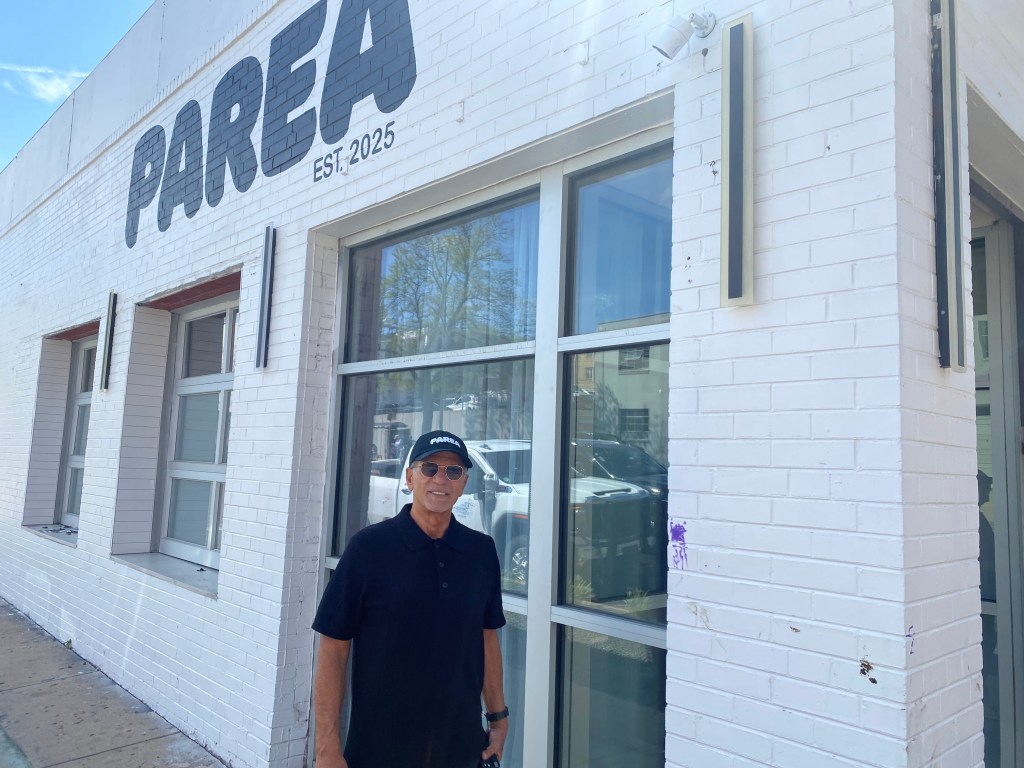
Photo by Michael Roberts
While Christou lacks hard evidence that this oversight was purposeful, he has his suspicions. According to him, representatives of the Denver Police Department “tried to put me out of business for thirteen years because I was a witness to a shooting” — the March 1996 officer-involved killing of Jeff Truax outside 1082 Broadway, another of his properties — “and I told the truth instead of telling their story.” Since then, his relationship with city officialdom in general has been fraught, and the details of the initial relicensing draft have done nothing to reassure him that a better vibe is in the offing.
In a conference room at CoClubs’ headquarters, the nexus of his empire, Christou waves a document he’s heavily highlighted. One passage that especially concerns him is on the first page: “Upon receipt of an application for a new cabaret license the director may schedule a public hearing upon the application not less than forty (40) days from the date of receipt of the application.” As he points out, the word “may” had previously read “shall,” and he sees the ambiguity as telling.
“I think putting so much trust and so much power into the hands of the director is absurd,” he says.
The director in question is Molly Duplechian, and she says that such hearings could become even less common under the new regulations. “Right now, all cabaret licenses require a public hearing,” she says. “But in our proposal, to line up what we’ve done with marijuana and liquor licenses, those hearings will only occur if a neighborhood submits enough requests for it to happen. And so far, we’ve issued 91 [marijuana and liquor] licenses and have only had one actual hearing.”
This assertion doesn’t reassure Christou, who fears that hearings will be wielded as a form of punishment against folks like him. “Once you give someone that kind of power,” he says, “they’re never going to give it back.”
According to Duplechian, changes can still be made in the draft before its consideration by Denver City Council; she says the timeline has been slow and deliberate.
Christou doesn’t buy this assertion, arguing that a couple of Zoom calls, which took place when he was out of town, are woefully insufficient to truly gauge how business owners and the general public feel about the doc. Neither is he reassured by Duplechian saying that vague portions of the text will be clarified during the rulemaking stage that would follow council approval. “By then, it’s too late,” he says.
Christou does believe that the city’s licensing needs to be “reinvented.”
So right now, he says he’s organizing with other entrepreneurs to press for the new licensing regs to be less restrictive. “Some of these rules I understand,” he says. “But some of them have no place in the business world, because they’re so time-consuming. Financially, it makes no sense, and I think control needs to loosen up so they’ll let the rest of us make Denver everything it could be.”
Read the first-draft release of the new licensing bill here.